
Dryer Vent | A Lake Forest Customer Asks: How Often Should Dryer Vents Be Cleaned?
A Lake Forest homeowner recently asked us a common home-maintenance question: “How often should dryer vents be cleaned?”
For many households, cleaning the dryer vent about once a year provides a practical starting point.
However, the calendar does not tell the whole story.
A household that runs several loads every day may collect lint faster than someone who uses the dryer twice a week. Likewise, a short duct that exits directly through an exterior wall behaves differently from a long vent that travels through several elbows before terminating at the roof.
Pets, large families, heavy towels, bedding, restrictive ductwork, and exterior obstructions can also change the cleaning interval.
Therefore, a better question is:
How quickly does lint accumulate in your particular dryer vent system?
⚡ Quick Answer: Most households should consider professional dryer vent cleaning approximately once a year. However, cleaning may be needed every six months when the dryer sees heavy use, the home has shedding pets, the exhaust duct is long or complex, or the termination sits on the roof. Do not wait for the annual date if clothes take longer to dry, the dryer becomes unusually hot, the laundry room feels humid, airflow weakens, or a burning odor appears. Clean the lint screen before or after every load according to the dryer manufacturer’s instructions.
Dryer Vent Cleaning Frequency: At a Glance
| Household or Vent Condition | Suggested Starting Interval | What to Watch |
|---|---|---|
| Average household with a short, direct vent | About once a year | Drying time, airflow, heat, and visible lint |
| Large household or frequent daily laundry | Every 6 to 12 months | Faster lint accumulation and longer cycles |
| Home with shedding pets | Every 6 to 12 months | Pet hair and lint collecting inside the system |
| Long duct with several elbows | Often more frequently than a short vent | Restricted airflow and lint collecting at bends |
| Dryer vent terminating through the roof | Evaluate regularly and clean as conditions require | Lint at the termination, difficult access, and weak airflow |
| Clothes taking more than one cycle to dry | Do not wait for the scheduled interval | Possible obstruction, crushed duct, or appliance problem |
| Ventless or heat-pump dryer | Follow the appliance manual | Filters, condenser, heat exchanger, and drain system |
First, Understand What the Dryer Vent Includes
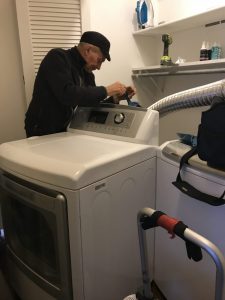
Many homeowners use the terms lint trap, dryer hose, and dryer vent as though they describe the same component.
They do not.
The complete dryer exhaust system may include:
- The lint screen inside or near the dryer door
- The lint-screen housing inside the appliance
- The short transition duct behind the dryer
- The rigid or semi-rigid exhaust duct inside the wall or ceiling
- Elbows and vertical sections along the route
- The exterior wall hood or rooftop termination
Cleaning the lint screen helps protect airflow during each load. However, the lint screen does not capture every fiber.
Some lint passes through the screen and enters the exhaust system.
Over time, that lint can collect inside the transition duct, concealed vent, elbows, or exterior termination.
Therefore, an empty lint screen does not prove that the entire dryer vent is clean.
Is Once a Year a Rule for Every Dryer Vent?
No.
Annual cleaning provides a useful maintenance baseline for many households, but it is not a universal deadline that fits every dryer and duct.
The correct interval depends on several factors:
- How often the dryer operates
- The size of the household
- The types of fabric being dried
- Whether the home has shedding pets
- The length of the exhaust duct
- The number of elbows and turns
- Whether the vent travels vertically
- Whether the termination exits through a wall or roof
- The condition of the transition duct behind the dryer
- Whether lint or animal nesting restricts the termination
For example, a dryer connected to a short metal duct that exits directly behind the appliance may maintain airflow longer than a second-floor laundry system with a long vertical run.
As a result, the household should combine a regular cleaning schedule with attention to actual performance.
When Should Dryer Vents Be Cleaned Every Six Months?
Some homes may benefit from a shorter interval.
Cleaning approximately every six months may make sense when:
- The household completes several loads of laundry each day
- The home has several shedding pets
- The dryer handles frequent towels, blankets, or heavy bedding
- The duct travels a long distance before reaching the exterior
- The vent contains several elbows or turns
- The laundry room is located far from an exterior wall
- The duct terminates through the roof
- Previous cleanings have revealed heavy lint accumulation
- The dryer has a history of slower drying before the annual mark
However, six months should not become another automatic rule.
The amount removed during each cleaning provides useful information.
If a technician repeatedly removes substantial lint after six months, maintaining that interval may be reasonable. On the other hand, a short and properly installed vent may remain relatively clear for longer.
⚠️ Signs the Dryer Vent Needs Cleaning Now
Do not wait for the next scheduled appointment when the dryer begins operating differently.
Warning signs may include:
- ⚠️ Clothes take longer than normal to dry
- ⚠️ A normal load requires a second drying cycle
- ⚠️ Clothes remain damp at the end of the cycle
- ⚠️ Clothes feel unusually hot
- ⚠️ The outside of the dryer becomes very hot
- ⚠️ The laundry room feels warm or humid
- ⚠️ A burning or overheated odor appears
- ⚠️ Lint collects behind or around the dryer
- ⚠️ Little air comes from the exterior termination
- ⚠️ The exterior flap does not open while the dryer runs
- ⚠️ Lint collects around the exterior hood or rooftop cap
- ⚠️ The dryer displays an airflow or vent warning
- ⚠️ The appliance shuts off before the clothes are dry
These symptoms do not prove that lint is the only problem.
A crushed transition duct, disconnected pipe, damaged blower, heating-element problem, blocked termination, or appliance malfunction may create similar symptoms.
Therefore, the system needs evaluation rather than a remote diagnosis based on one warning sign.
Why Does a Clogged Dryer Vent Increase Drying Time?
A clothes dryer removes moisture by moving heated air through the tumbling laundry.
The appliance then pushes that warm, humid air through the exhaust duct and outdoors.
When lint restricts the duct, the dryer cannot move air as freely.
Moisture remains inside the drum longer, so the dryer may need additional time to finish the load.
The appliance may also run hotter while trying to overcome the restriction.
Consequently, a clogged vent can affect:
- Drying time
- Appliance temperature
- Energy consumption
- Wear on dryer components
- Humidity around the laundry area
- The amount of heat and lint trapped inside the exhaust system
However, longer drying time can also result from overloading the dryer, selecting the wrong cycle, a clogged lint screen, or a mechanical problem.
Vent cleaning addresses the exhaust path. It does not automatically repair the appliance.
Does Cleaning the Lint Trap Replace Dryer Vent Cleaning?
No.
The lint trap provides the first line of defense, but it does not capture all lint.
Homeowners should clean the lint screen before or after every load according to the appliance manufacturer’s instructions.
They should also check the screen for:
- Tears or damaged mesh
- Lint packed around the frame
- Residue from dryer sheets or fabric products
- A screen that no longer fits correctly
Nevertheless, lint can still collect beyond the filter.
That hidden accumulation may develop inside the lint-screen housing, transition duct, concealed exhaust pipe, elbows, and exterior termination.
For that reason, routine lint-screen cleaning and periodic full-vent cleaning perform different jobs.
Why Long Dryer Vents May Need More Frequent Cleaning
A long duct gives lint more surface area on which to collect.
Every elbow also changes airflow and creates another location where lint may settle.
Vertical sections can add another challenge because the dryer must push lint and humid air upward before reaching the exterior.
Potentially restrictive configurations include:
- A laundry room located near the center of the home
- A second-floor dryer with a rooftop termination
- A basement dryer venting above grade
- Several elbows between the dryer and exterior
- A duct routed around framing or mechanical systems
- A termination that is difficult to inspect from the ground
A long vent is not automatically defective.
However, duct length, fittings, material, and dryer specifications need to work together.
Cleaning can remove lint, but it cannot eliminate an excessive route, crushed pipe, disconnected joint, or unsuitable duct material.
Wall Termination vs. Roof Termination
The exterior termination allows heated air and moisture to leave the building.
A wall termination is often easier for a homeowner to observe. When the dryer operates, the damper should generally open and allow noticeable airflow.
A roof termination may be harder to see.
Because it sits above the living space, lint accumulation or a damaged cap may remain unnoticed until drying performance changes.
Regardless of location, the termination should not be blocked by:
- Heavy lint accumulation
- Bird or animal nesting
- Snow, leaves, or exterior debris
- A stuck or damaged damper
- An inappropriate screen that traps lint
- Roofing or construction materials
Homeowners should not climb onto a roof to inspect a dryer vent.
Instead, note performance changes and arrange professional evaluation when the termination cannot be reached safely.
Do Gas and Electric Dryers Need the Same Vent Cleaning?
Both conventional gas and electric dryers create lint and moisture.
Therefore, both need an open exhaust path when they are designed to vent outdoors.
The primary difference is that a gas dryer also burns fuel.
Its exhaust system carries combustion byproducts in addition to moisture and lint.
As a result, a restricted gas-dryer vent may involve both airflow and combustion concerns.
However, dryer vent cleaners do not automatically diagnose or repair every gas-appliance problem.
If the issue involves a gas valve, burner, ignition system, fuel connection, or appliance malfunction, an appropriate appliance technician may also be required.
Gas odor warning: If you smell natural gas near the dryer, do not continue operating it or attempt to locate the leak. Avoid switches, flames, and anything that may create a spark. Leave the building and call North Shore Gas at 866-556-6005 or 911 from a safe location.
What About Ventless and Heat-Pump Dryers?
Not every clothes dryer sends exhaust through an exterior duct.
Ventless condenser and heat-pump dryers manage moisture inside the appliance through a different system.
Therefore, they do not receive traditional dryer-vent cleaning in the same way as a conventional vented dryer.
However, ventless dryers still require maintenance.
Depending on the model, that may include cleaning:
- The primary lint filter
- Secondary filters
- The condenser or heat exchanger
- The drain system or collection tank
- Accessible air passages
Always follow the manufacturer’s instructions for that appliance.
Do not assume that a dryer is ventless merely because the exterior termination is difficult to locate.
Can I Clean the Dryer Vent Myself?
Some homeowners can clean a short, accessible dryer vent.
However, the project becomes more difficult when the duct is long, concealed, vertical, disconnected, or terminated through the roof.
DIY cleaning also carries several risks:
- A brush can separate from its rods inside the duct
- Rotary tools may damage thin or flexible duct material
- Lint may become packed more tightly around an obstruction
- A concealed joint may disconnect during cleaning
- The dryer may be pushed back and crush the transition duct
- A rooftop termination may create an unsafe access condition
- Cleaning may overlook a damaged or unsuitable vent configuration
Before moving a gas dryer, consider the gas connection and avoid disturbing it without the appropriate knowledge.
Professional service becomes especially valuable when the vent route is unknown or the dryer continues performing poorly after basic maintenance.
What Does Professional Dryer Vent Cleaning Include?
The service should address the accessible exhaust route rather than only vacuuming behind the appliance.
Depending on the property and access, a dryer vent service may include:
- Reviewing the customer’s drying-time concerns
- Identifying the accessible vent route
- Checking the transition duct behind the dryer
- Cleaning lint from the exhaust duct
- Clearing the accessible exterior termination
- Checking for visible lint, nesting, or airflow restrictions
- Documenting crushed, disconnected, or unsuitable accessible ductwork
- Testing general airflow or dryer performance when appropriate
- Explaining conditions that may require appliance or duct repair
At Chimney Monkey, dryer vent cleaning focuses on removing lint buildup so the system can move air more effectively.
However, cleaning does not automatically correct every installation defect.
A damaged duct, excessive vent route, inaccessible disconnection, or appliance malfunction may require separate work by the appropriate trade.
How Can You Reduce Lint Buildup Between Cleanings?
Good daily habits can help maintain airflow between professional visits.
Homeowners should:
- Clean the lint screen with every load
- Avoid overloading the dryer
- Dry heavy bedding separately when appropriate
- Keep the area around the dryer free of loose lint
- Avoid crushing the transition duct when moving the appliance
- Observe whether the exterior flap opens during operation
- Watch for changes in normal drying time
- Follow the dryer manufacturer’s maintenance instructions
- Arrange service when the dryer displays an airflow warning
Do not rely on scented products to cover a burning or overheated odor.
Likewise, do not keep adding drying time when a normal load suddenly requires multiple cycles.
A performance change deserves attention.
⚠️ When Should You Stop Using the Dryer?
Stop operating the dryer and arrange evaluation when:
- ⚠️ You smell burning material or melting plastic
- ⚠️ Smoke appears around the dryer or termination
- ⚠️ The appliance or clothes become excessively hot
- ⚠️ The dryer repeatedly shuts down from overheating
- ⚠️ The transition duct has disconnected
- ⚠️ The vent hose is crushed flat behind the appliance
- ⚠️ You hear an animal inside the duct
- ⚠️ A gas odor appears near a gas dryer
- ⚠️ The dryer displays a persistent vent-blockage warning
If a dryer fire or smoke condition occurs, leave the building and call 911.
Do not open a smoking dryer or attempt to continue the cycle.
Why This Question Comes Up So Often in Lake Forest
The dryer itself remains visible in the laundry room.
Most of the exhaust duct does not.
A homeowner may clean the lint screen after every load yet have no idea whether the concealed duct travels five feet or thirty feet before reaching the exterior.
The vent may pass through a basement ceiling, interior wall, attic, or roof.
In addition, a new homeowner may inherit the dryer without any cleaning history.
From inside the laundry room, a partially restricted vent can look completely normal.
Often, the first clue is a change in performance:
- Loads take longer
- The room becomes warmer
- The dryer feels hotter
- The exterior airflow weakens
That is why Lake Forest homeowners should not rely only on a date written on the calendar.
Use the annual interval as a baseline, then adjust it according to the vent design, household use, and actual amount of lint found during service.
Frequently Asked Questions
How often should a residential dryer vent be cleaned?
Most households should consider cleaning the dryer vent approximately once a year. However, heavy use, pets, long ducts, several elbows, and roof terminations may justify cleaning every six months or whenever warning signs appear.
Should I clean the dryer lint trap after every load?
Yes. Clean the lint screen before or after every load according to the appliance manufacturer’s instructions. However, lint-screen cleaning does not replace periodic cleaning of the complete exhaust duct.
How do I know whether my dryer vent is clogged?
Possible warning signs include longer drying cycles, damp clothes, excessive dryer heat, a humid laundry room, weak exterior airflow, lint around the termination, and burning odors. These symptoms can also indicate an appliance or duct problem, so evaluation may be necessary.
Why does my dryer need two cycles to dry clothes?
Restricted airflow from lint buildup may prevent moisture from leaving the dryer efficiently. However, overloading, incorrect settings, a damaged duct, a clogged lint screen, or an appliance malfunction can also increase drying time.
Do dryer vents with roof exits need more cleaning?
They may. Roof terminations often involve longer or more vertical duct runs and can be harder to monitor. The correct interval depends on the route, usage, airflow, and amount of lint found during previous service.
Do pets make dryer vents clog faster?
They can. Pet hair collects on clothing, bedding, and towels and may contribute to material entering the lint screen and exhaust system. Homes with shedding pets may benefit from more frequent inspection and cleaning.
Does an electric dryer need vent cleaning?
Yes, when it is a conventional vented electric dryer. Electric dryers still produce lint, heat, and moisture that must move through the exhaust duct.
Does a gas dryer need vent cleaning?
Yes. A vented gas dryer produces lint and moisture, while its exhaust also carries combustion byproducts. Keep the vent open and follow the manufacturer’s maintenance instructions.
Can a bird build a nest inside a dryer vent?
Yes. Animals may enter through a damaged or unprotected termination. Nesting material can restrict airflow and should be removed before normal dryer operation resumes.
Will dryer vent cleaning lower my energy bill?
Improved airflow may reduce unnecessary drying time when lint restriction caused the dryer to run longer. However, energy use also depends on the appliance, load size, settings, and mechanical condition.
Can dryer vent cleaning fix a broken dryer?
No. Cleaning removes lint and accessible obstructions from the exhaust route. It does not repair heating elements, motors, sensors, gas valves, controls, or other appliance components.
Should I run the dryer while I am away from home?
No. Operate the dryer while someone is home and awake enough to notice unusual heat, odors, smoke, or appliance behavior.
How often should an apartment or condominium dryer vent be cleaned?
The interval depends on usage, duct length, shared-building rules, and who is responsible for the concealed vent. Residents should confirm whether the unit owner, association, landlord, or property manager handles the exhaust system.
Serving Lake Forest and the Surrounding Communities
Chimney Monkey is based at 741 Hastings Dr in Buffalo Grove and helps homeowners throughout Lake Forest remove lint buildup from residential dryer exhaust systems.
We also serve Lake Bluff, Highland Park, Deerfield, Glencoe, Winnetka, Wilmette, Kenilworth, Northbrook, Northfield, Glenview, Evanston, and nearby Cook and Lake County communities.
Not sure whether the vent needs annual or more frequent cleaning?
Start with the dryer’s normal performance, the exhaust route, and the amount of lint found during the last service.
Is your dryer taking longer than normal to finish a load?
Have the vent cleaned and evaluated before continuing to add more drying time.
Categories: Chicago Illinois Cook County Illinois Dryer Vent Lake County Illinois Local Services
