
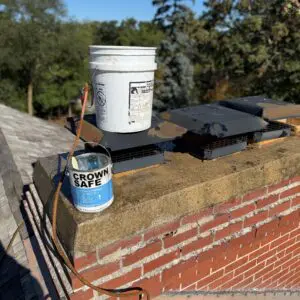
Chimney Leaks After Heavy Rain in Chicago’s North Shore: What Homeowners Should Check First
When heavy rain hits Chicago’s North Shore, water around the fireplace can be stressful. If you notice moisture, staining, dripping, musty odors, or water marks near your chimney or fireplace, the source may be the chimney system, the roof flashing, damaged masonry, a missing chimney cap, or another nearby exterior issue.
The most important thing to know is this: chimney leaks are not always easy to diagnose from the ground. A proper chimney inspection can help determine whether the water is entering through the chimney crown, masonry, flashing, cap, chase cover, flue, or roofline.
Chimney Monkey helps homeowners across Chicago’s North Shore identify chimney leak concerns and understand what may need attention before the damage gets worse.
Why Is Water Coming In Around My Fireplace?
Water around a fireplace usually means moisture is finding a path through or around the chimney system. Sometimes the leak appears inside the firebox. Other times, homeowners notice stains on the wall, ceiling, mantel, or brickwork near the fireplace.
Common signs include:
- Brown or yellow water stains near the fireplace
- Damp brick or mortar inside or around the firebox
- Dripping sounds during or after heavy rain
- Musty odors coming from the fireplace
- Peeling paint or bubbling drywall near the chimney
- White staining on exterior masonry
- Rust on the damper, firebox, or chimney components
After a strong North Shore rainstorm, water can enter through small gaps that were not obvious during dry weather. That is why even a small stain should not be ignored.
Is My Chimney Leaking or Is It the Roof?
This is one of the most common questions homeowners ask after heavy rain.
The answer is: it could be either, and sometimes both. Chimneys pass through the roof, which means the roofline, flashing, masonry, crown, and chimney top all work together to keep water out. If one part fails, water may show up near the fireplace even if the roof itself looks fine from the ground.
A chimney-related leak may come from:
- Cracked chimney crown
- Deteriorated mortar joints
- Missing or damaged chimney cap
- Rusted or damaged chase cover
- Failed flashing around the chimney
- Porous brick or masonry
- Open gaps around the flue or crown
- Interior condensation or venting issues
A roof-related leak may come from:
- Damaged shingles near the chimney
- Improper or aging flashing
- Ice, wind, or storm damage
- Poor water drainage around the roof penetration
- Gaps where roofing materials meet the chimney structure
Because the symptoms can overlap, guessing from inside the home can lead to the wrong repair. Chimney Monkey recommends starting with a proper inspection before assuming the chimney, roof, or flashing is the only cause.
What Causes Chimney Leaks After Heavy Rain?
Heavy rain can expose weaknesses in a chimney system that may have been developing for months or years. In Chicago’s North Shore, chimneys deal with rain, snow, freeze-thaw cycles, wind, and seasonal fireplace use. Over time, those conditions can wear down masonry and exterior chimney components.
Here are the most common chimney leak sources.
1. Missing or Damaged Chimney Cap
A chimney cap helps keep rain, debris, and animals from entering the top of the flue. If the cap is missing, loose, rusted, undersized, or damaged, water can fall directly into the chimney opening.
A cap does not fix every chimney leak, but it is one of the first things to check after rain. Homeowners may need a chimney cap if they notice:
- Rain sounds inside the chimney
- Water inside the firebox
- Leaves, debris, or animal activity
- Rust on fireplace components
- A visible open flue from outside
If your chimney does not have a properly fitted cap, scheduling an inspection is a smart first step.
2. Cracked Chimney Crown
The chimney crown sits at the top of many masonry chimneys and helps shed water away from the flue and masonry. When the crown cracks, water can enter those cracks and move into the chimney structure.
Cracked crowns are especially important in the Chicago area because water can freeze and expand during colder months. Over time, that can make cracks larger and contribute to masonry deterioration.
Possible warning signs include:
- Cracks visible on the top of the chimney
- Water stains near the fireplace
- Pieces of masonry or mortar falling near the chimney
- White staining on exterior brick
- Water entry after wind-driven rain
Crown problems should be inspected before recommending repair because the correct solution depends on the condition and severity of the damage.
3. Deteriorated Mortar or Cracked Masonry
Brick and mortar are durable, but they are not maintenance-free. When mortar joints begin to crack, separate, or crumble, rainwater can soak into the chimney structure.
Cracked chimney masonry can absolutely contribute to interior water stains. In some cases, the water does not enter in a straight line. It may travel through porous brick, open mortar joints, or hidden gaps before showing up inside the home.
Signs of masonry-related moisture issues may include:
- Crumbling mortar joints
- Loose or spalling bricks
- White staining on the chimney exterior
- Damp interior walls near the fireplace
- Repeated leaks after storms
- Visible cracks on the chimney stack
This is also where homeowners should be careful with quick quotes. Chimney repair work should not be quoted accurately without a proper inspection, because the visible stain may not show the full condition of the chimney.
4. Flashing Problems Around the Chimney
Flashing is the metal system that helps seal the area where the chimney meets the roof. If flashing is loose, rusted, improperly installed, lifted, or deteriorated, rainwater can enter around the chimney and appear inside the home.
Flashing issues are one reason homeowners ask, “Is this a chimney leak or a roof leak?” From inside the house, both can look similar.
A proper inspection can help determine whether the issue appears to involve:
- Chimney flashing
- Roofing materials around the chimney
- Masonry above the roofline
- A combination of chimney and roofline issues
If water appears near the fireplace only during wind-driven rain, flashing should be checked carefully.
5. Rusted or Damaged Chase Cover
Some prefabricated fireplace systems have a metal chase cover instead of a traditional masonry crown. The chase cover sits on top of the framed chimney chase and helps keep water out.
If the chase cover rusts, sags, separates, or was not properly fitted, water can pool and enter the system. Warning signs may include:
- Rust stains on the chase or siding
- Dripping inside the fireplace
- Water after heavy rain
- A metal cover that looks sunken or uneven
- Rust near the top of the chimney chase
A damaged chase cover should be evaluated before replacement is recommended.
6. No Waterproofing or Worn Exterior Protection
Masonry chimneys are exposed to weather year-round. If the brick and mortar absorb too much water, moisture can move into the chimney system and contribute to staining, deterioration, or freeze-thaw damage.
Professional chimney waterproofing may help protect certain masonry chimneys, but it is not a substitute for repairing cracks, failed mortar, bad flashing, or missing caps. The chimney should be inspected first so the correct problem is addressed.
What Homeowners Should Check First After Heavy Rain
Before scheduling service, homeowners can safely check a few basic things from the ground and inside the home.
Check inside the fireplace area
Look for:
- Water in the firebox
- Damp brick
- Rust on metal components
- Musty smells
- Wall or ceiling stains near the chimney
- Peeling paint or bubbling drywall
Do not use the fireplace if you see active water intrusion, unusual odors, damaged components, or anything that looks unsafe.
Check the chimney from the ground
From a safe location, look for:
- A missing chimney cap
- Leaning or loose-looking chimney components
- Visible cracks
- Missing mortar
- Rust stains
- Damaged siding around a chimney chase
Do not climb onto the roof to inspect the chimney yourself. Roof and chimney work can be dangerous, especially after rain.
Take photos
Photos can help explain the problem when scheduling service. Try to capture:
- Interior water stains
- Fireplace moisture
- Exterior chimney views
- Any visible cap, crown, masonry, or flashing concerns
Photos are helpful, but they do not replace an inspection.

Do I Need a Chimney Cap?
You may need a chimney cap if your chimney opening is exposed, the existing cap is damaged, or water is entering from the top of the flue. A properly fitted chimney cap can help reduce rain entry, debris, and animal intrusion.
However, a chimney cap is not always the full solution. If the leak is coming from cracked masonry, damaged flashing, a failing crown, or a rusted chase cover, installing a cap alone may not stop the water.
That is why Chimney Monkey recommends checking the full chimney system before deciding what repair is needed.
Can Cracked Chimney Masonry Cause Interior Water Stains?
Yes. Cracked masonry, deteriorated mortar joints, porous brick, and damaged chimney crowns can all contribute to water movement through the chimney structure. The stain inside the home may appear near the fireplace, ceiling, wall, or mantel, even if the exterior damage is higher up on the chimney.
This is especially common after repeated heavy rain or seasonal freeze-thaw cycles. Once water enters masonry, it can travel through hidden pathways before it becomes visible inside.
If you see stains near your fireplace, the safest next step is to schedule a chimney inspection rather than guessing at the repair.
Why North Shore Chimneys Need Special Attention
Homes across Chicago’s North Shore often face a mix of older masonry, lake-effect weather, winter freeze-thaw cycles, heavy rain, snow, and seasonal fireplace use. Communities like Park Ridge, Glenview, Northbrook, Wilmette, Winnetka, Deerfield, Highland Park, Lake Forest, Lake Bluff, Skokie, Evanston, and nearby suburbs all see weather conditions that can expose chimney weaknesses.
Even a small chimney leak can become more serious if water continues entering the system. Moisture can affect masonry, metal components, interior finishes, and overall fireplace performance.
When to Call Chimney Monkey
Call Chimney Monkey if you notice:
- Water near the fireplace after rain
- Interior stains around the chimney
- Missing or damaged chimney cap
- Cracked chimney crown
- Deteriorated mortar or brick
- Rust inside the fireplace
- Musty fireplace odors
- Repeated leaks after storms
- Concerns about chimney flashing or chase covers
Chimney Monkey serves Chicago’s North Shore and nearby communities within our service area. For chimney leak concerns, inspections, chimney caps, masonry evaluation, waterproofing, and related chimney services, call 847-994-4388.
A proper inspection helps determine what is actually causing the leak before repair work is recommended.
Frequently Asked Questions About Chimney Leaks After Rain
Why is water coming in around my fireplace?
Water may be entering through the chimney cap, crown, flashing, masonry, chase cover, roofline, or another exterior opening. Because several issues can cause similar symptoms, a chimney inspection is the best way to identify the source.
Is my chimney leaking or is it the roof?
It can be difficult to tell without an inspection. Since the chimney passes through the roof, water may enter through chimney masonry, flashing, roof materials, or a combination of problems.
What causes chimney leaks after heavy rain?
Common causes include missing chimney caps, cracked crowns, deteriorated mortar, porous masonry, damaged flashing, rusted chase covers, and open gaps around the chimney system.
Do I need a chimney cap?
You may need a chimney cap if your flue opening is exposed or the existing cap is damaged. A cap helps reduce rain, debris, and animal entry, but it may not solve leaks caused by masonry, flashing, crown, or chase cover issues.
Can cracked chimney masonry cause interior water stains?
Yes. Cracked brick, deteriorated mortar, and crown damage can allow water to move through the chimney structure and show up as stains near the fireplace, wall, ceiling, or mantel.
Can Chimney Monkey quote chimney leak repair over the phone?
Chimney repair work should be evaluated with a proper inspection first. The visible stain may not show the full cause of the leak, and the correct repair depends on the condition of the chimney, flashing, cap, crown, masonry, or chase cover.
Schedule Chimney Leak Help in Chicago’s North Shore
If heavy rain has left water near your fireplace, do not wait for the next storm to make the problem worse. Chimney Monkey can inspect your chimney system and help identify the likely source of the leak.
Call Chimney Monkey at 847-994-4388 to schedule chimney service in Chicago’s North Shore and nearby communities.
Categories: Chimney Leak Repair Local Services