
Vented Gas Log Set Installation in Mundelein
Quick answer
This vented gas log set installation in Mundelein combined a professional chimney inspection with a 24-inch matchlight gas-log installation, two stainless-steel chimney caps, and removal of a deceased animal from the chimney system. During the same visit, technicians also documented separate smoke-chamber and flue-liner conditions that required additional attention.
Importantly, those inspection findings should not be confused with completed repairs. The invoice documents the gas logs, chimney caps, inspection, and animal removal as completed services, while the smoke-chamber and liner items remained separate recommendations.
Completed on this visit
- Professional chimney inspection
- 24-inch vented matchlight natural-gas log set installation
- Two stainless-steel chimney caps
- Deceased-animal removal
- 48-foot ladder access for exterior work
Documented during inspection
- Smoke-chamber voids documented during inspection
- Cracked and flaking flue tiles documented, with relining recommended
Findings and recommendations only — not completed repairs.
Why Inspection Matters During a Fireplace Upgrade
A gas-log set changes how homeowners use an existing masonry fireplace, but the decorative logs represent only one part of the system. The firebox, smoke chamber, flue, damper, and chimney termination still affect how the fireplace operates.
Therefore, a professional chimney inspection can provide valuable context around a fireplace upgrade. Technicians can examine accessible components, document visible defects, and explain whether additional work deserves attention.
For this Mundelein project, the inspection identified conditions beyond the visible fireplace opening. Meanwhile, the service visit also included several approved improvements and maintenance items.
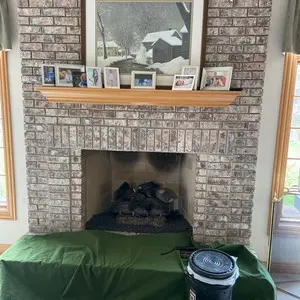
Starting With the Existing Fireplace
The first selected image gives useful context for the overall project. The masonry fireplace remains the center of the system, while the protected work area shows how technicians prepared the room for inspection and service.
That broader view matters because a gas-log installation does not exist separately from the fireplace around it. Instead, technicians need to consider how the new appliance fits within the existing firebox and chimney system.
Vented Gas Log Set Installation in Mundelein
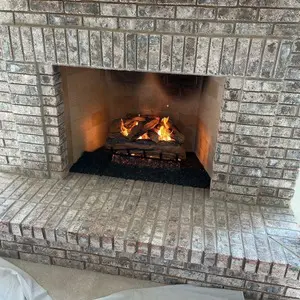
The completed fireplace upgrade used a 24-inch matchlight vented natural-gas log set. The log set and burner create the visible fire presentation inside the existing masonry firebox.
Unlike an electric fireplace, a vented gas-log system produces combustion exhaust. Consequently, it still relies on the fireplace and chimney for venting.
In addition, the invoice notes that a compliant gas valve with a key and nut must be installed by a certified plumber if the fireplace does not already have one. That requirement separates the gas-supply work from the fireplace installation itself.
Homeowners considering a similar upgrade can review Chimney Monkey’s gas appliance installation service, which includes decorative gas-log sets among the supported appliance types.
The Installed Vented Gas Log Set
The second project photo shows the finished log arrangement inside the masonry firebox. Instead of illustrating the service with a stock fireplace image, this photograph documents the actual Mundelein installation.
Meanwhile, the surrounding refractory masonry remains part of the fireplace system. The gas logs create the fire presentation, but combustion products still need to travel from the firebox through the smoke chamber and flue.
Two Chimney Caps Helped Address Open Flue Terminations
The project also included two stainless-steel chimney caps. A properly fitted cap covers the open chimney termination while still allowing exhaust to leave the flue.
At the same time, the cap helps reduce direct entry from rain, snow, leaves, birds, and other animals. That function was especially relevant here because the project also included removal of a deceased animal from the chimney system.
Therefore, the cap installation addressed an exterior opening that could otherwise remain exposed to weather and wildlife. Chimney Monkey’s current chimney cap installation service provides additional information about cap selection and chimney-top protection.
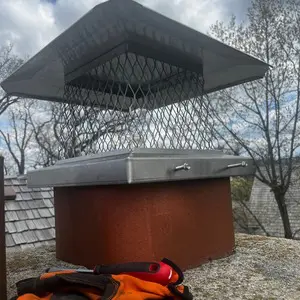
Protecting the Chimney Opening
The third photograph shows the type of stainless-steel chimney-top protection included in the project. Its screened design helps create a barrier around the open termination while leaving room for venting.
In this project, the cap also connects naturally to the animal-removal portion of the story. First, technicians removed the existing obstruction. Afterward, chimney-top protection helped address the open access point.
Why the Animal Removal Matters
Open chimney terminations can provide access for birds and other wildlife. Unfortunately, an animal that enters a flue does not always find its way back outside.
For this Mundelein project, the invoice specifically documents removal of a deceased animal rather than a live-animal service. That distinction matters because live wildlife can require different handling procedures.
After technicians clear an obstruction, the surrounding chimney still deserves evaluation. Debris, moisture, animal activity, or unrelated deterioration may affect other parts of the system.
The Inspection Documented Smoke-Chamber Voids
The smoke chamber sits above the firebox and below the chimney flue. Its shape helps transition combustion products from the broad fireplace opening into the narrower flue.
During this inspection, technicians documented exposed brick and gaps within the smoke chamber. The invoice recommended sealing openings and creating a smoother refractory surface.
However, that line item represents an inspection finding and repair recommendation. The invoice does not document completed smoke-chamber parging during this service visit.
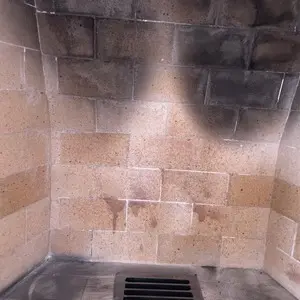
Looking Above the Firebox
The fourth selected image provides a close view inside the fireplace system. This perspective helps homeowners visualize an area that normally remains difficult to see from the room.
For that reason, inspection photographs are particularly valuable when technicians discuss smoke-chamber conditions. The homeowner can see the documented area instead of relying only on a verbal description.
Cracked and Flaking Flue Tiles Led to a Relining Recommendation
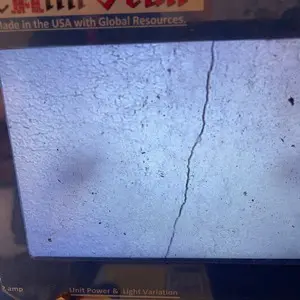
The chimney-camera inspection also documented defects in the clay flue liner. Specifically, the invoice identifies cracked and flaking flue tiles and recommends relining.
Clay flue tiles form a passage through a masonry chimney when the sections remain intact and properly joined. Over time, however, cracking, moisture exposure, deterioration, or other events can compromise individual areas.
When technicians identify this type of deterioration, the next step depends on the actual fireplace, fuel, flue dimensions, and documented condition. Consequently, a relining recommendation should follow an inspection rather than assumption.
Chimney Monkey’s current chimney liner service explains how camera inspection, liner sizing, and repair planning fit together.
Why Camera Documentation Helps
The fifth photograph shows the type of interior defect that homeowners usually cannot see from the fireplace opening. Here, the inspection camera documents a visible crack across the flue-tile surface.
That documentation helps separate a general recommendation from an observable condition. Instead of simply stating that relining is needed, the inspection provides visual evidence that can help explain why the recommendation was made.
Completed Work vs. Inspection Recommendations
Separating completed services from inspection findings is important in any project-based article. Otherwise, readers could mistakenly assume that every condition listed on the invoice received a repair during the same appointment.
| Project item | Status on the invoice |
|---|---|
| Chimney inspection | Completed service |
| Two chimney caps | Fitted and installed |
| Deceased-animal removal | Completed service |
| 24-inch vented gas-log set | Installed |
| Smoke-chamber repair | Documented finding and recommendation |
| Chimney relining | Documented finding and recommendation |
How the Mundelein Fireplace Project Fits Together
At first glance, gas logs, chimney caps, animal removal, and flue findings may look like unrelated services. In practice, they all connect to the same fireplace and chimney system.
First, the inspection established the condition of accessible components. Next, the approved service addressed the gas-log installation, animal removal, and chimney-top protection.
Meanwhile, the inspection documented deeper conditions that required separate planning. As a result, the homeowner received both completed improvements and information about additional chimney work to consider.
Inspect
First, evaluate accessible fireplace, flue, and chimney components.
Complete the Approved Work
Next, perform the scheduled gas-log, cap, and obstruction-removal services.
Document Findings
Then, record defects that require separate repair or additional planning.
Plan the Next Step
Finally, use the documented conditions to decide which additional repairs make sense.
Frequently Asked Questions
What is a vented gas-log set?
A vented gas-log set uses a gas burner and decorative logs inside a fireplace that vents combustion products through the chimney. Therefore, the surrounding fireplace and flue remain part of the operating system.
Why inspect the chimney when installing gas logs?
An inspection provides information about accessible fireplace, smoke-chamber, flue, and chimney conditions. As a result, technicians can document defects that homeowners cannot see from the room.
Why install a chimney cap?
A fitted cap helps reduce entry from precipitation, leaves, birds, and animals while still allowing the flue to vent through the chimney termination.
What are smoke-chamber voids?
Voids are gaps or openings within the masonry area above the firebox. When an inspection documents them, a technician may recommend refractory repair to seal gaps and create a smoother chamber surface.
Does finding a damaged liner mean relining happened during the inspection?
No. An inspection can document cracked or deteriorated flue tiles and recommend relining without completing that repair during the same appointment.
Professional Vented Gas Log Set Installation in Mundelein
This vented gas log set installation in Mundelein shows why a fireplace upgrade and chimney evaluation often belong in the same conversation. The completed project included a new 24-inch gas-log set, chimney caps, animal removal, and professional inspection.
At the same time, the inspection documented smoke-chamber and flue-liner conditions that deserved separate attention. The project photos help explain that distinction by showing both the completed improvements and the areas evaluated during the inspection.
Ultimately, a professional evaluation connects the visible fireplace upgrade to the chimney system that serves it. Instead of treating the gas logs as an isolated appliance, the inspection provides a clearer picture of the surrounding fireplace, venting, and chimney conditions.
Not sure what service your home needs? Start with a professional evaluation so the system can be identified, the visible conditions can be documented, and the right next step can be recommended.
Have a question about your chimney, fireplace, venting system, gutters, or dryer vent? Schedule a professional visit and get clear recommendations based on the actual condition of your home.
Categories: Chimney Care Chimney Exterior Services Chimney Inspection Fireplace Services Gas Appliance Installation Gas Log Set Service Call Lake County Illinois Local Services Mundelein