
Northbrook Chimney Sweep Review: Why Knowledgeable Service Matters
By Chimney Monkey · Updated September 2026 · Northbrook, IL
Quick answer: A professional chimney sweep in Northbrook should do more than clean your chimney. It should also explain your chimney’s condition, what regular maintenance involves, and when more attention might be necessary.
Clear explanations can make a routine service appointment much more valuable.
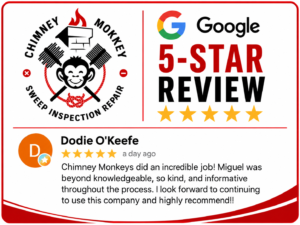
That’s one reason a recent customer review caught our attention. After scheduling chimney sweeping services with Chimney Monkey in Northbrook, homeowner Dodie shared her appreciation for technician Miguel’s knowledge, kindness, and communication.
Her experience highlights an important part of chimney maintenance: homeowners should feel comfortable asking questions and understanding the work their technician performs.
A Northbrook Customer Shares Her Chimney Monkey Experience
Chimney maintenance involves parts of a home that most homeowners rarely see. As a result, a technician who can explain the process clearly can make a real difference. Following her chimney sweeping visit, Dodie shared this Google review:
★★★★★
“Chimney Monkeys did an incredible job! Miguel was beyond knowledgeable, so kind, and informative throughout the process. I look forward to continuing to use this company and highly recommend!!”
— Dodie, Northbrook homeowner (Google review · see the complete review on Google Maps)
Dodie’s review points to three qualities she valued most:
Knowledge
Miguel was “beyond knowledgeable.”
Kindness
She described his friendly approach.
Clear information
He kept her informed throughout the visit.
Although the review does not describe the specific cleaning steps or identify any chimney problems, it offers insight into the customer experience. For homeowners arranging chimney maintenance, that distinction matters. Technical knowledge is important, but so is having someone who can communicate clearly and answer questions.
What a Chimney Sweep in Northbrook Should Explain
Chimney sweeping removes accumulated soot, creosote, and other deposits from the chimney system. In wood-burning fireplaces, creosote forms when combustion byproducts condense on cooler surfaces inside the chimney.
Over time, these deposits can build up along the flue walls. Because creosote is combustible, excessive buildup increases the risk of a chimney fire. A professional chimney sweep removes these deposits with cleaning equipment suited to the chimney’s construction and condition.
According to the Chimney Safety Institute of America (CSIA), complete chimney sweeping includes cleaning the flue and smoke chamber. Cleaning only the visible interior of the fireplace is not equivalent to sweeping the entire chimney. However, chimney cleaning and chimney inspection are two different activities:
| Service | What it does |
|---|---|
| Chimney cleaning | Removes soot, creosote, and other deposits from the flue and smoke chamber. |
| Chimney inspection | Checks accessible chimney components for damage, blockages, or other conditions that may need attention. |
Knowing this difference helps homeowners ask informed questions when arranging professional chimney services.
Why Chimney Inspections Matter Alongside Cleaning
A chimney can appear clean without necessarily being in suitable condition for continued use. For example, cleaning alone cannot repair a damaged chimney liner, worn masonry, or a defective chimney cap. A professional needs to evaluate these conditions before recommending corrective work.
Industry guidance: The CSIA follows NFPA 211 guidance recommending that chimneys, fireplaces, and vents receive an inspection at least once a year. Cleaning, maintenance, and repairs should then follow as needed.
Annual inspections are important even for fireplaces that see little use. Animals, debris, moisture, and wear can create problems no matter how often a fireplace operates.
Chimney Monkey’s published chimney sweeping service information states that its standard sweeping service includes a Level 1 inspection. A Level 1 inspection generally involves examining readily accessible portions of the chimney and venting system. More extensive inspections may be appropriate in certain situations, such as changes to the heating appliance or evidence of hidden problems.
Practical takeaway: Ask what your scheduled service includes and whether the technician will explain any conditions that need further evaluation.
The Importance of Clear Communication During Chimney Maintenance
Dodie’s comments about Miguel being knowledgeable and informative highlight something homeowners should consider when choosing a chimney service provider. Most homeowners cannot evaluate every part of their chimney system on their own. They rely on professional assessments to learn whether cleaning is enough or more work might be necessary.
Clear communication makes those assessments easier to understand. For example, a homeowner might want to know:
A technician should explain relevant findings in plain language and separate routine maintenance from potentially urgent repairs.
It’s equally important to understand the limits of an inspection. Different inspection levels involve different procedures, and some hidden conditions require extra access to evaluate. Homeowners should never hesitate to ask for clarification when they receive recommendations they do not fully understand.
Seasonal Chimney Maintenance for Northbrook Homeowners
Northbrook’s cold winters make seasonal fireplace maintenance especially relevant for households that regularly burn wood. However, chimney maintenance should not begin only when the weather turns cold. Scheduling an inspection before the heating season leaves time to fix any problems before the fireplace sees frequent use.
The right cleaning schedule depends on several factors:
A heavily used wood-burning fireplace may need cleaning more often than one used occasionally. Nevertheless, infrequent use does not eliminate the need for regular inspections.
Northbrook homeowners should also watch for moisture damage. Rain, snow, and repeated freezing and thawing can contribute to damage in exposed chimney masonry. Although sweeping does not correct structural damage, an accompanying inspection may identify visible conditions that call for further assessment. These factors make preventive maintenance valuable throughout the year rather than only during winter.
How Can You Tell When Your Chimney Needs Attention?
Some chimney problems develop gradually, while others produce warning signs homeowners may recognize. Changes in fireplace performance, persistent odors, visible deposits, or signs of moisture deserve attention.
Common warning signs:
- Smoke in the living area: Smoke entering the room instead of traveling up the chimney can indicate a draft problem, an obstruction, or another issue with the fireplace and venting system.
- Strong chimney odor: An unusually strong odor may point to accumulated deposits, although moisture and household air pressure can also contribute.
- Moisture signs: Visible water stains, crumbling mortar, or rusted fireplace components may indicate moisture problems.
These symptoms have different potential causes, so homeowners should not assume that sweeping alone will resolve every issue.
Safety note: If you notice persistent smoke entering the room, signs of an obstruction, or evidence of a previous chimney fire, stop using the fireplace until a professional evaluates the system.
A proper assessment can help identify the underlying problem and determine which maintenance or repair steps fit.
Questions Worth Asking During Your Next Chimney Sweep
An informative service appointment gives homeowners a chance to understand their fireplace and plan future maintenance. Consider discussing these questions with your chimney professional:
- What areas of my chimney will you clean and inspect?
- Did you observe significant creosote buildup or any obstructions?
- Are there visible signs of damage that need further evaluation?
- How often should I schedule cleaning based on my fireplace usage?
- What routine maintenance can I perform between professional appointments?
The answers will depend on your chimney’s construction, condition, and operating characteristics. Asking for an explanation of inspection findings can also show you why a technician may recommend specific repairs or further evaluation. The goal is to leave your appointment knowing more about your chimney than you did before the technician arrived.
Frequently Asked Questions
What is the difference between chimney sweeping and a chimney inspection?
Chimney sweeping removes soot, creosote, and other deposits from the flue and smoke chamber. An inspection checks accessible chimney components for damage, blockages, or other conditions. Cleaning alone cannot repair a damaged liner, worn masonry, or a defective chimney cap.
How often should a chimney be inspected?
The CSIA follows NFPA 211 guidance recommending that chimneys, fireplaces, and vents receive an inspection at least once a year. Cleaning, maintenance, and repairs then follow as needed, based on what the inspection finds.
Does Chimney Monkey’s chimney sweep include an inspection?
Yes. Chimney Monkey’s published service information states that its standard sweeping service includes a Level 1 inspection. This covers readily accessible portions of the chimney and venting system. More extensive inspections may be appropriate in certain situations.
How often does a fireplace need cleaning?
It depends on fireplace usage, chimney construction, fuel type, and the amount of accumulated deposits. A heavily used wood-burning fireplace may need cleaning more often than one used occasionally. Even with light use, the chimney still needs regular inspections.
When should I stop using my fireplace?
Stop using it if you notice persistent smoke entering the room, signs of an obstruction, or evidence of a previous chimney fire. Keep the fireplace out of service until a professional evaluates the system.
Professional Chimney Sweeping in Northbrook
For Northbrook homeowners, professional chimney maintenance involves both the work itself and the information shared during the appointment. Dodie’s review reflects how much she appreciated Miguel’s technical knowledge, kindness, and informative approach. Her positive experience also shows why clear communication is an important part of professional home maintenance.
Chimney Monkey provides chimney sweeping, chimney inspections, and related fireplace services in Northbrook and surrounding North Shore communities. If your chimney is due for professional attention, contact Chimney Monkey to discuss your fireplace, ask about available inspection options, and schedule the right chimney service.
Not sure what service your home needs? Start with a professional evaluation so the system can be identified, the visible conditions can be documented, and the right next step can be recommended.
Have a question about your chimney, fireplace, venting system, gutters, or dryer vent? Schedule a professional visit and get clear recommendations based on the actual condition of your home.
Categories: Chimney Care Chimney Sweep Cook County Illinois Local Services Northbrook