
Chimney Crown Replacement & Rebuild in Buffalo Grove: Complete Guide to Cost & Process
By Chimney Monkey · Updated September 2026 · Buffalo Grove, IL
Quick answer: Chimney crown replacement with a partial rebuild and waterproofing typically costs $16,000 to $26,000 in the Buffalo Grove area. The price depends on chimney size, roof access, brick condition, and how much rebuilding the chimney needs.
Most jobs take 1–3 days, plus curing time before waterproofing.
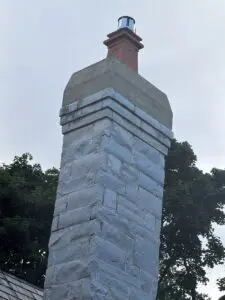
Chimney Monkey is a National Chimney Sweep Guild (NCSG) member with 4.9 stars across 1,100+ customer reviews. We’ve completed hundreds of chimney repairs in Buffalo Grove and across the North Shore. When water damage sets in, crown replacement and partial rebuilding often go hand-in-hand. This guide explains what that work looks like, why it matters, and what homeowners typically spend.
What Is a Chimney Crown and Why Does It Need Replacing?
A chimney crown is the sloped concrete cap that sits at the very top of your chimney. It sheds water away from the flue and the masonry below. Think of it as an umbrella for your entire chimney structure. A properly built crown slopes away from the flue tile and has an overhang (called a drip edge) that directs water safely off the edges.
Over time, concrete cracks. Temperature swings, freeze-thaw cycles in particular, expand and contract the material, especially in Buffalo Grove winters. Once cracks appear, water seeps in. That moisture reaches the brick, mortar, and flue liner beneath. The result is spalling (brick crumbling), deterioration, and expensive secondary damage inside the chimney and potentially into your attic or walls.
Why it matters: A properly constructed crown replacement protects your chimney for decades and prevents the cascade of repairs that water intrusion causes.
What Damage Triggers a Partial Chimney Rebuild?
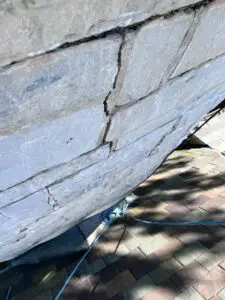
Sometimes the crown isn’t the only problem. Spalling and crumbling brick means water has already gotten into the masonry. When freeze-thaw cycles damage the brick structure itself, the chimney loses integrity, and simply capping it won’t fix it.
A partial chimney rebuild removes the damaged section (usually from the roofline up) and reconstructs it with matching brick and mortar. Technicians reuse existing brick where possible to maintain the chimney’s appearance and character. A water-repellent treatment then seals the rebuilt section to lock out future moisture.
Partial rebuilds usually focus on the upper, most-exposed portion of the chimney, where weather exposure is greatest.
Why Waterproofing Is Necessary After Crown or Rebuild Work
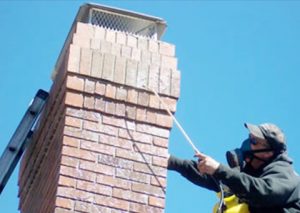
Once the crown is replaced or the brick is rebuilt, waterproofing seals the entire masonry surface. Many chimney professionals use a vapor-permeable product that works differently than paint-on sealers.
These penetrating waterproofing treatments (like ChimneySaver) sink into the brick and mortar. They create a hydrophobic zone that repels water while still allowing moisture vapor to escape naturally. This is critical: trapping vapor inside the masonry causes more long-term damage than the water you’re trying to prevent.
Waterproofing is often a condition of warranty coverage on rebuilt sections, and it extends the life of your crown and masonry significantly.
How Much Does Chimney Crown Replacement & Rebuilding Cost?
A comprehensive chimney repair job (crown replacement plus partial rebuild plus waterproofing) typically runs $16,000 to $26,000 in the Buffalo Grove area. Here’s why the range is broad:
| Cost factor | How it affects the price |
|---|---|
| Chimney size | A large masonry chimney costs more to rebuild than a smaller one, simply due to materials and labor hours. |
| Height and roof access | Tall chimneys or ones deep in a roof valley may need special climbing equipment, platforms, or scaffolding. Safe access fees can add $1,500–$2,000+. |
| Brick and mortar condition | Extensive spalling, hidden damage, or unusual mortar joints may require more material or careful hand-matching. |
| Extent of rebuilding | A small upper section costs less than a large lower section. Some chimneys need only crown work; others need substantial masonry replacement. |
| Waterproofing product | Standard penetrating sealants run $800–$1,000; premium options may cost slightly more. |
Good to know: Never rely on the cheapest quote alone. Choose a contractor who inspects thoroughly, explains findings clearly, and stands behind the work with warranty coverage.
The Step-by-Step Repair Process
Inspection & Safe Access Setup
Before any work begins, a professional chimney inspection documents the chimney’s condition: cracks, spalling, mortar condition, and crown deterioration. The crew then sets up safe roof access with climbing equipment or scaffolding if needed. This step is non-negotiable for worker safety and home protection.
Crown Removal
The crew carefully removes the old, damaged crown. If the chimney needs a new liner or internal repairs, they use this access window.
Masonry Assessment & Selective Rebuilding
The technician identifies damaged brick and mortar, removes the compromised section, and rebuilds it using reclaimed or closely matched brick and mortar. Proper joint sealing prevents water from getting back in.
Crown Installation
The crew forms a new concrete crown with proper slope and an expansion joint around the flue tile. The drip edge overhangs the brick to direct water away cleanly.
Waterproofing Application
Once the crown cures, the crew cleans the entire external masonry and treats it with a vapor-permeable waterproofing sealant. They brush it on to ensure even penetration.
Curing takes 24–48 hours depending on weather and product. Work is weather-dependent; the contractor will reschedule if rain threatens or temperatures are too cold for proper curing.
Warning Signs Your Chimney Crown Needs Attention
Don’t wait for leaks inside your house. Watch for these red flags:
- Visible cracks in the crown. Even small cracks will grow with freeze-thaw cycles.
- Crumbling or spalling brick. Soft, flaking brick means water is already in the masonry.
- Mortar gaps or missing pointing. Mortar naturally erodes; when joints open up, water penetrates fast.
- Moss, algae, or lichen on the chimney. These point to moisture retention and poor drainage, a sign the crown isn’t shedding water effectively.
- Odors or moisture in your attic near the chimney. Water is already finding its way inside. Schedule a leak repair inspection promptly.
Timeline: How Long Does the Work Take?
A complete crown replacement and partial rebuild typically takes 1–3 days, depending on the extent of masonry work and weather. The concrete crown’s cure time may add an extra day before waterproofing. Once the job is complete, avoid using the fireplace until the contractor confirms everything has fully cured, usually 48 hours.
Warranty & Long-Term Protection
Quality crown replacement and waterproofing should come with a written warranty. Terms vary by contractor, so make sure your contract spells out:
Keep records of the completed work and any maintenance recommendations. NFPA 211 calls for a chimney inspection at least once a year, which helps catch new issues early.
Chimney Crown Repair FAQ
Can I repair a cracked crown instead of replacing it?
Small, hairline surface cracks can sometimes be sealed with flexible sealant, but this is temporary. Once concrete cracks deeply, water finds its way in, and the crack grows. Full replacement is a better long-term investment than repeated patching. Some contractors offer crown resurfacing (a flexible sealant over the existing crown) for temporary repairs on chimneys not yet ready for full replacement.
What if my chimney has a painted crown?
Painted crowns are less effective at waterproofing than a proper crown build. If your crown is painted, a full replacement is recommended. Some builders use paint as a budget shortcut, but it doesn’t provide lasting protection. A concrete crown with proper slope and drip edge is far superior.
Do I need chimney flashing repair at the same time?
Not always, but it’s wise to inspect it. Flashing seals the seam where the chimney meets the roof. If it’s corroded, cracked, or pulling away, it’s another entry point for water. Many comprehensive chimney projects include flashing inspection and resealing to address all water management at once. A leak repair professional can assess this during your initial inspection.
How often should I have my chimney inspected?
NFPA 211 calls for chimneys, fireplaces, and vents to receive an inspection at least once a year, whether or not you use the fireplace often. Cleaning and repairs then follow based on what the inspection finds. After a major repair like crown replacement, that yearly professional inspection also confirms the work has held up to the weather.
What happens if I ignore a damaged crown?
Water intrusion cascades. It damages the flue liner, causes mortar to dissolve, spalls brick, rots framing inside the attic or walls, and can create unsafe conditions (exposed flue, draft loss). Early intervention with crown replacement and waterproofing costs far less than water damage repair, structural work, or a chimney rebuild later.
Is waterproofing really necessary?
Yes. Even a new crown can’t protect mortar joints from water penetration at the surface. Waterproofing seals the brick and mortar, extends the life of your repairs, and is often a condition of warranty coverage on rebuilt sections.
Can my contractor use my existing bricks in a partial rebuild?
Yes, and good contractors do. Reusing sound existing brick maintains the chimney’s original appearance. The technician carefully salvages undamaged bricks and only replaces the spalled or compromised ones with closely matched new or reclaimed brick. This approach is both cost-effective and preserves character.
Does weather impact the work schedule?
Absolutely. Concrete crown curing requires proper temperatures (typically 50°F and above). Heavy rain, freezing, or extreme heat can delay work or require rescheduling. Your contractor will coordinate timing with the forecast and let you know about any delays.
Not sure what service your home needs? Start with a professional evaluation so the system can be identified, the visible conditions can be documented, and the right next step can be recommended.
Have a question about your chimney, fireplace, venting system, gutters, or dryer vent? Schedule a professional visit and get clear recommendations based on the actual condition of your home.
Categories: Buffalo Grove Chimney Care Chimney Exterior Services Lake County Illinois Local Services