
Gas Fireplace Insert Installation in Lake Forest: Complete Guide to Cost & Process
Chimney Monkey is a National Fireplace Sweep & Gas Installer Certified member with 4.9 stars across 1,000+ customer reviews. We’ve completed hundreds of fireplace installations on Chicago’s North Shore, from wood-burning systems to high-efficiency gas inserts. When a homeowner wants to convert an old masonry fireplace into a modern, efficient gas heating system, a direct-vent insert is one of the smartest choices. This guide explains what’s involved, why crown care matters during installation, and what homeowners typically invest.
What Is a Gas Fireplace Insert and Why Choose One?
A gas fireplace insert is a self-contained heating appliance that sits inside an existing masonry fireplace opening. Unlike a traditional wood-burning fireplace—which draws heated air up and out the chimney, creating draft loss in your home—a gas insert seals the opening and uses a direct-vent system to send combustion byproducts safely to the outside while radiating heat back into the room.
Modern inserts like the Enviro E33I are built to high efficiency standards, featuring electronic ignition (no constant pilot light), realistic logs or stone surrounds, and remote controls so you can adjust heat and flames from anywhere in the room. The insert pulls cool air from the room, passes it through a heat exchanger, and returns it warmed—delivering true home heating, not just ambiance.
Why Homeowners Switch to Gas Inserts
Safety and efficiency top the list. Wood fires create draft issues and can introduce cold outside air into the home. Gas inserts provide direct venting, so heat stays where you need it. They’re also easier to operate—no loading wood, no ash cleanup, just a button or remote. For Lake Forest homeowners with existing masonry fireplaces, an insert offers warmth and ambiance without tearing out the structure.
 What’s Included in a Complete Gas Insert System?
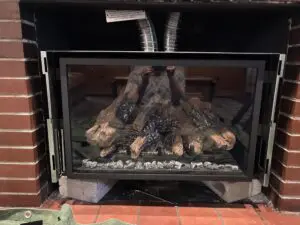 What’s Included in a Complete Gas Insert System?
A full installation package includes far more than just the insert itself. The Enviro E33I system, for example, encompasses the unit itself, decorative surround materials, logs or stones, electronic controls and remote, venting piping, and complete installation labor. The insert arrives partially assembled, and proper installation requires precise venting, electrical hookup, and sealing to ensure safe operation and warranty coverage.
Materials typically include a contemporary or traditional surround frame, black enameled panels that hide the cavity behind the insert, a riser (the vertical section connecting the insert to venting), and flexible or rigid metal venting that travels up and out through the existing chimney or the exterior wall. Each component is critical to the system’s performance and your home’s safety.
Why Crown Resurfacing Happens During Installation
Even if your old fireplace is being repurposed, the chimney crown—the concrete cap at the very top of your chimney—still needs care. When venting an insert, the new pipe runs through the existing flue, and a proper installation includes inspecting and sealing the crown to prevent water intrusion. Resurfacing cracks in an existing crown using a flexible, fibered sealant protects the brick below and ensures the new system operates safely for years.
What Does a Gas Fireplace Insert Installation Cost in Lake Forest?
A complete gas insert installation—unit, surround, venting, electrical, and crown resurfacing—typically runs $9,500 to $12,000 in the Lake Forest area. Here’s what drives variation within that range:
- Insert model and features. Premium units with larger heating capacity or luxury surrounds cost more than standard models.
- Venting route and complexity. Venting up the existing flue is simpler than running new exterior venting if the chimney is blocked or unsafe.
- Existing fireplace condition. A structurally sound masonry opening is easier to work with than one requiring repair before the insert can be installed.
- Electrical work. If power must be run to a new location or circuits upgraded, labor and materials increase.
- Crown or chimney repairs. If the crown is cracked or the upper chimney needs sealing, those costs are separate from the insert itself.
- Safe roof access. Homes with steep roofs or limited staging areas may require additional equipment or specialized technicians, adding a fee.
Never base your decision on price alone. Choose a contractor who performs a thorough inspection, explains findings clearly, and stands behind the work with a written warranty on materials and labor.
The Gas Insert Installation Process: Step by Step
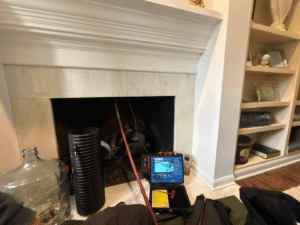 The Gas Insert Installation Process: Step by Step
Step 1: Professional Inspection and Safety Assessment
Before any work begins, a professional chimney inspection evaluates the flue, crown, and overall structure. Inspectors check for blockages, deterioration, and code compliance. They also verify that the existing chimney can safely accommodate the new venting. This is when any crown cracks or masonry issues are documented and options are discussed.
Step 2: Fireplace Opening Preparation
Your existing fireplace opening is cleaned and inspected. Old dampers may be sealed, and the interior is measured to ensure the insert will fit properly. Any repairs to the brick or mortar inside the opening happen at this stage.
Step 3: Insert Assembly and Placement
Your insert arrives partially assembled. Technicians position it carefully in the opening, ensuring it sits level and secure. Gas and electrical connections are made according to code and manufacturer specifications. All seals are tested for safety.
Step 4: Surround Installation
The decorative surround—frame, panels, riser—is assembled and attached. These components hide the cavity and support the venting. Careful attention to alignment and fit ensures a professional appearance.
Step 5: Venting Installation
The venting pipe is routed up through the existing flue or out through the exterior. Proper pitch and support are critical to prevent condensation and ensure efficient operation. The venting must meet code and manufacturer specifications exactly.
Step 6: Crown Inspection and Resurfacing
The chimney crown is inspected and any cracks are repaired. A flexible, fibered sealant applied to the crown surface—especially around the new venting penetration—protects the masonry below from water intrusion and extends the life of the entire system.
Step 7: Testing and Final Inspection
Once installed, the system is tested for gas leaks, proper ignition, venting performance, and safety. Local fire marshal inspections may be required to verify code compliance. Your technician will walk you through remote control operation and safety features before leaving.
Timeline: How Long Does Installation Take?
A straightforward gas insert installation typically takes 1–2 days. If crown work or masonry repairs are needed, add another day. Curing times for sealants and crown resurfacing may require a brief wait before full use, which your contractor will explain. Professional scheduling also depends on weather—roofwork halts during rain or high winds for safety.
Why Crown Sealing Protects Your New Investment
Your new insert is a significant investment. The crown—the topmost cap of your chimney—is the first line of defense against water damage to the masonry and the new venting system. Even a small crack allows rain to seep in. Over winter freeze-thaw cycles, that moisture expands and contracts, causing spalling, deterioration, and potentially expensive repairs down the line.
A resurfaced crown with flexible sealant accommodates natural expansion and contraction while preventing water intrusion. It’s a relatively low-cost protective measure that pays for itself many times over by keeping your fireplace system—and the structural masonry behind it—safe and sound for years.
Warranty and Long-Term Care
Quality gas fireplace systems come with manufacturer warranties on the insert (typically 5–10 years on parts, lifetime on certain components) and labor warranties from your installer. Maintain these by having the system inspected annually and any chimney repairs addressed promptly. Annual fireplace cleaning and venting inspection keeps everything running safely and efficiently.
Common Questions About Gas Insert Installation
Can I install a gas insert in an old wood-burning fireplace?
Yes. In fact, that’s one of the most common uses for gas inserts. The existing masonry opening and chimney structure are repurposed for the new system. An inspection must confirm the flue is clear and the chimney is safe for venting. If the old fireplace has structural problems, those are addressed before installation.
Do I need to close off the old fireplace damper?
Yes. The damper—the metal gate that seals the fireplace when not in use—must be closed and sealed before the insert is installed. This prevents warm air from rising up and out of the chimney and ensures the insert’s efficiency.
Will a gas insert work with my existing chimney?
Most of the time, yes. However, the flue must be inspected for blockages, deterioration, and size compatibility. If the flue is too small or damaged, a new metal liner may be needed—a separate project that increases cost but ensures safe operation.
What is direct venting and how does it differ from traditional fireplace venting?
A direct-vent system seals the insert to the venting pipe, so combustion byproducts exit only through the pipe—not into your home. Traditional wood fireplaces draw room air up the chimney for combustion and venting, which loses heated air. Direct venting contains the exhaust and improves home efficiency significantly.
How often should I have my gas insert serviced?
Annual inspection and cleaning are recommended, especially if you use the system frequently. A professional checks ignition, flame quality, venting, and any gas connections for safety. Clean venting ensures efficient operation and prevents carbon monoxide risk.
Can I use a gas insert if my chimney has a rain cap or crown already?
Yes, but the existing cap and crown must be inspected. If the crown is cracked or the cap is corroded, repairs are needed before venting the new system. Sometimes the cap is removed during venting installation and reinstalled afterward. Always have a professional assess the condition first.
What’s the difference between an insert and a gas log set?
An insert is a sealed, efficient heating appliance. A gas log set is a decorative accessory—realistic-looking logs that burn over the old fireplace’s still-open damper. Logs add ambiance but don’t provide significant heat and allow air loss up the chimney. Inserts are engineered for heating and safety.
How long does a gas fireplace insert last?
With proper maintenance, 15–20+ years is typical. The glass and electronics may need repair or replacement within that time, but the core unit is robust. Annual inspection and prompt repairs to any venting or crown issues extend the lifespan significantly.
Will installing a gas insert affect my home’s resale value?
Yes, usually positively. Buyers appreciate an efficient, low-maintenance fireplace that provides real heat. However, a properly installed system—with current permits, inspections, and good documentation—is what adds value. Unpermitted or shoddy work can actually hurt resale appeal.
Not sure what service your home needs? Start with a professional evaluation so the system can be identified, the visible conditions can be documented, and the right next step can be recommended.
Have a question about your chimney, fireplace, venting system, gutters, or dryer vent? Schedule a professional visit and get clear recommendations based on the actual condition of your home.
Categories: Chimney Inspection Fireplace Services Gas Appliance Installation Gas Fireplace Insert Installation Lake County Illinois Lake Forest Local Services